CREATIVITY
In Bali, Art and Life Are Not Separate
In Bali, there is no word for art in the way the West uses it. There is no division between sacred and secular, between work and creation, between what you do for money and what you do for the gods. Every act of making—a meal, a flower arrangement, a carving, a dance—is understood the same way: as an offering and as an expression of something the Balinese call taksu.
Taksu is difficult to translate. The closest English approximation is 'spiritual energy,' but that's incomplete. It's more like the vital force that makes something alive. It's what separates a perfunctory gesture from one that carries intention. A teacher with taksu doesn't just transfer information—you feel something shift in you. A farmer with taksu grows crops that taste better. An artist with taksu doesn't just make an object; they channel something that resonates in your bones.
The philosopher I Made Bandem described taksu as resting on three pillars: physical mastery, mental discipline, and spiritual cultivation. None stands alone. A dancer can memorize every step (physical), understand the story (mental), and still lack taksu. When taksu arrives—and it arrives through years of training, spiritual practice, and grace—the movement stops looking like technique and starts looking like truth.
Daily life in Bali is structured around the cultivation of taksu. Every morning, before work or school or anything else, Balinese women prepare canang sari—small offerings woven from palm leaves and filled with flowers, rice, incense. The act is not rushed. It is done with attention. Each flower is chosen. The arrangement follows tradition. The offering is placed not as an obligation but as a moment of devotion. When done with taksu, the making itself becomes prayer. The offering becomes a vessel for intention.
This same principle moves through every corner of Balinese culture. The Barong dance, performed to protect villages, requires taksu—the dancer must embody the spirit of the creature, not imitate it. The gamelan orchestra produces its famous hypnotic sound not through perfection of individual instruments, but through the collective taksu of the ensemble. The carvings that line temple walls are not art projects; they are devotional acts that require the carver to be spiritually present in the work.
What distinguishes taksu from mere skill is its invisibility. You cannot teach taksu directly. A master can teach you technique, discipline, how to hold your hands, where to place your weight. But taksu—the quality that makes a gesture luminous rather than merely correct—that arrives only when you've practiced long enough that technique dissolves, and you stop performing the ritual and become the ritual.
For centuries, this understanding kept Balinese artistic life embedded in community and spiritual purpose. A child didn't become an artist; they grew up in a family of carvers or dancers or weavers, and the knowledge moved through them the way language does—not as information but as inheritance. The work was sacred because it was inseparable from daily life and worship.
Modern life has fractured this integration. Tourism, globalization, and the speed of contemporary culture have introduced the Western idea that art is a career, that creativity is a special gift some people have and others don't, that making is separate from living. For younger Balinese artists, the pressure is immense: to commercialize, to 'brand' themselves, to create work that sells to strangers rather than work that serves community and the gods.
And yet taksu persists. It cannot be erased by markets because it isn't a style—it's a way of being present. A contemporary Balinese painter might work with modern materials and exhibit in galleries, but if they carry taksu, you feel it. The work speaks. The presence in the piece is undeniable.
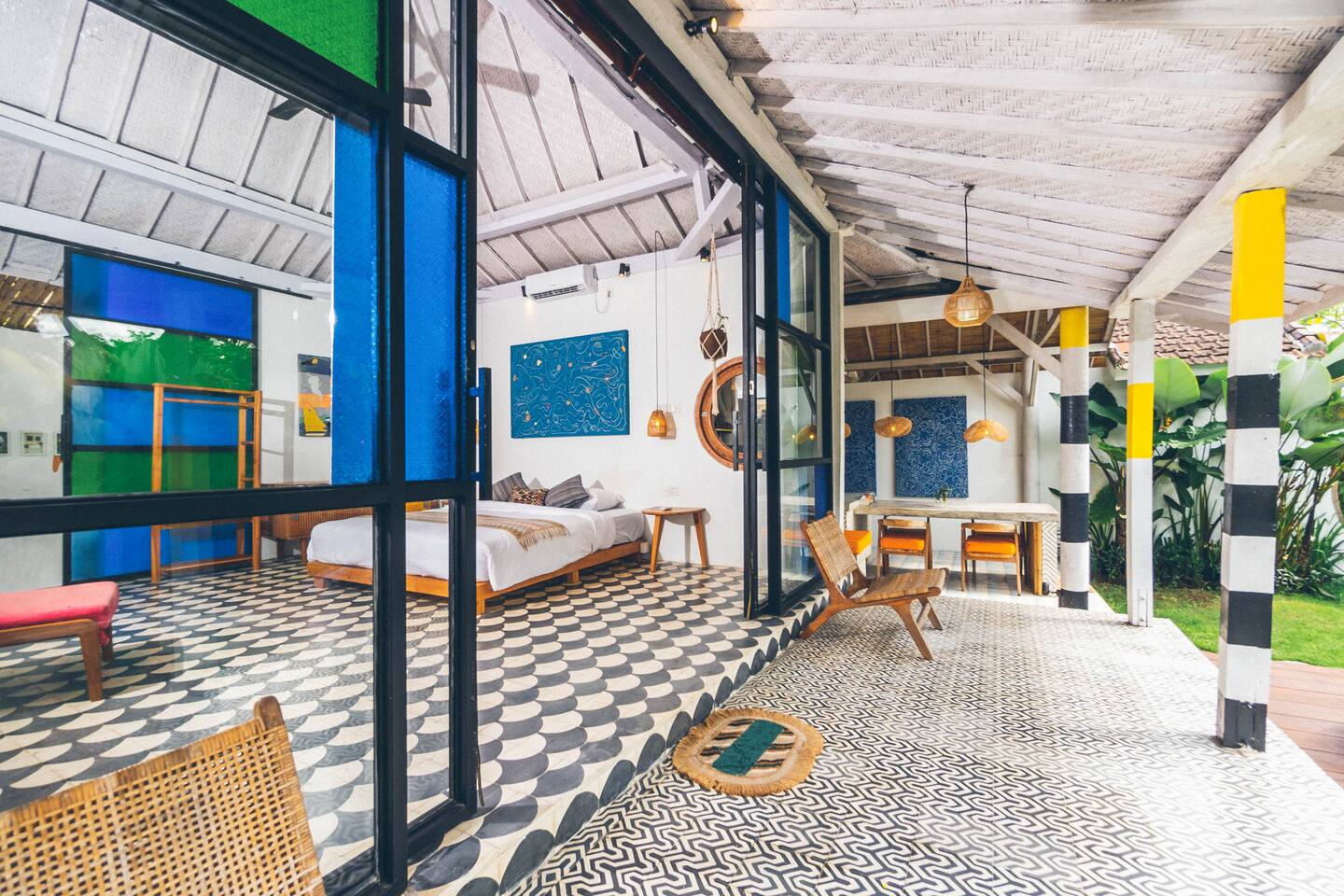
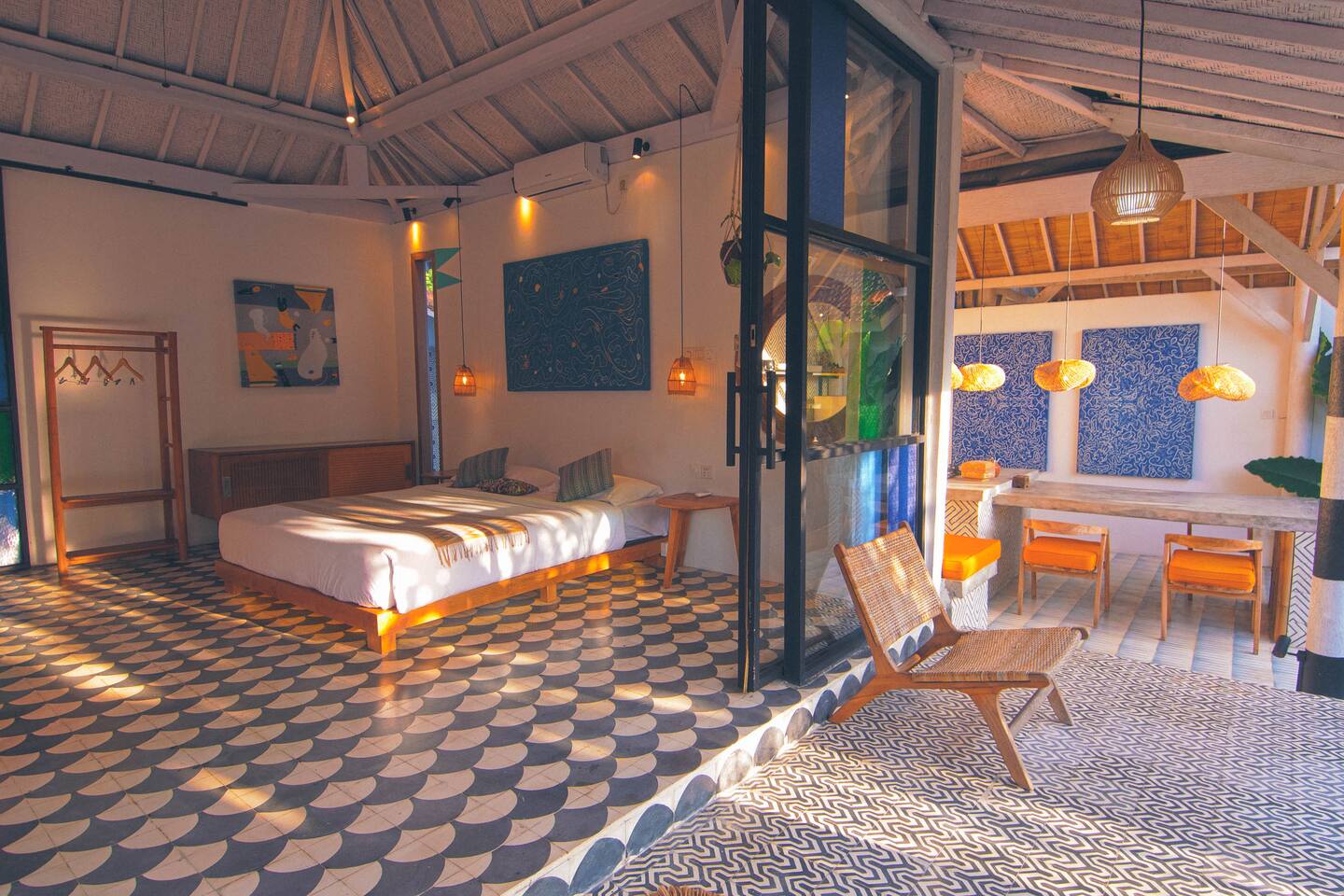
What makes a stay at AIR different from other accommodations in Ubud is this: you're not just in a place, you're in a culture where the care you receive, the quality of the design, the attention to detail in your room, the way staff greet you—all of it is understood as an expression of taksu. Not performance. Not hospitality as a transaction. But as an offering, made with intention.