PRACTICAL
What a Month in Ubud Actually Costs (the honest math for creatives)
The standard opening here is 'Ubud is so cheap.' That's incomplete. Ubud is cheap if you rent a room in a compound and eat at warungs — which, fair enough, many people do. But if you're a working artist or writer who needs actual space, reliable internet, and the occasional cappuccino that isn't made with instant coffee powder, the math changes. The good news: it's still genuinely affordable compared to any Western city. The real news: there's a wide band of prices depending on what you actually need.
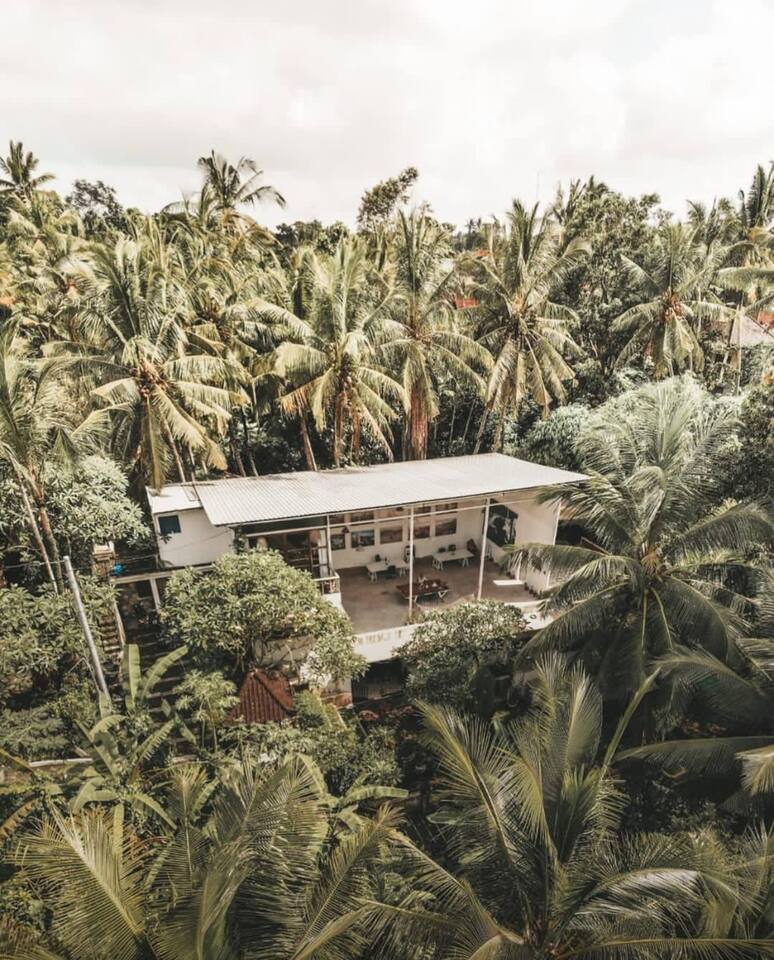
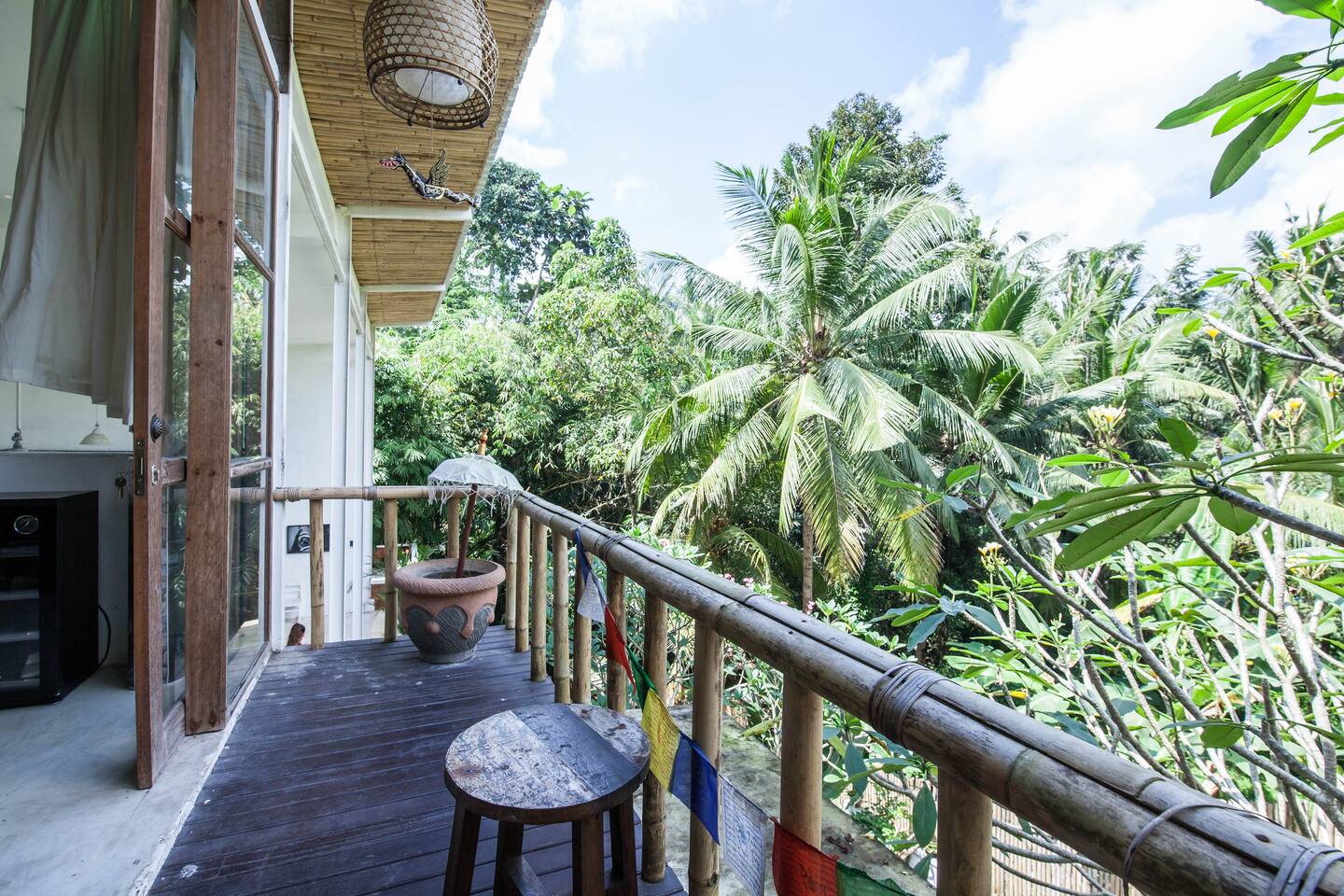
Start with rent. A private room in a shared house or budget villa runs €15–30 a night (€450–900 a month). You'll have a fan, a bed, a bathroom. The neighbours are usually other travellers or long-term guests doing the same calculation you are. If you want your own place — a small cottage or guesthouse with a desk and a door that closes — you're looking at €30–60 a night (€900–1,800 a month). Better wifi, more quiet, the psychological benefit of being able to work without performing work for an audience. Above €60, you're paying for views, design, or both. It's a clean spectrum.
Food is where people get confused. Eating lunch at a warung (a small family restaurant) costs €1–3. A plate of nasi goreng, a glass of fresh-squeezed juice, sometimes fruit. This is real food, made by someone's mother, not a tourist product. If that's your baseline, you'll spend €30–50 a month on food. But most creatives don't eat exclusively at warungs. You get tired of it, or you want to cook, or you want variety. Groceries at the main market are cheap (fruit, veg, rice, eggs), but imported goods — good cheese, pasta, coffee — cost roughly what they do in Europe. A middle-ground budget: eat warung lunch most days (€2), cook dinner at home or eat out once a night (€5–8), buy coffee and snacks. That lands you at €150–200 a month. If you eat out for every meal and aim for better restaurants, €400–600 is realistic.
Transport is nearly free. Scooter rental is €3–5 per day if you want it; most people don't bother, or they rent one for a week at a discount. Taxis (Grab app) cost €1–3 for a ride across town. Walking and cycling are the real transport here — the town is small enough that you won't need a vehicle. Unless you're leaving Ubud for day trips to temples or other towns, budget €20–30 a month for transport. If you're not renting a scooter regularly.
The studio question depends on what you're making. If you're writing or designing on a laptop, your room works fine (assuming good wifi). If you need space — for painting, music, photography, sculpture, movement — you'll want a dedicated studio. Studio rental in Ubud ranges from €50–300 a month, depending on size and what's included. A small room with high ceilings and basic utilities: €50–100. A proper 100 sqm space with power, running water, and a good floor: €150–250. The higher end includes spaces managed by residency programs or boutique properties where you're also getting community access. This is the variable that changes your total most dramatically.
Wifi and phone are bundled. A solid broadband line costs €15–25 a month; a phone plan with data is €5–15. If you're freelancing or running any kind of online work, don't skimp here — a €25/month connection is better than a €8 one. The difference between 'mostly fine' and 'actually workable' is real.
So the math, depending on how you live: A minimal month (budget room, warung food, no studio, no frills): €500–700. A working artist month (decent room, mixed food, basic studio, reliable internet): €1,100–1,500. A comfortable month (private cottage, varied food, proper studio, money left for going out): €1,600–2,200. For context, that's the cost of a single night in most major cities, for an entire month of actual work and living.
A few real things to know: Prices vary by season. June through August are 'high season' — rents peak, some places require minimum stays, and the compound rooms fill with visitors. January through April tend to be lower. If you're coming for a dedicated work block, arriving in shoulder season (April, May, September, October) gives you better availability and sometimes 10–15% discounts for long-term stays.
ATMs and banking are straightforward. Bring a credit card and withdraw cash from ATMs in town (usually a €1–2 fee per withdrawal). Many places accept cards now, but cash is safer for small transactions. There's no hassle, but if you're freelancing and need to receive payments, setting up a bank transfer to your home account is faster than trying to use local banking.
What doesn't cost much: coffee culture, coworking spaces (if you want company), day trips, museum entries, climbing, diving (if you go to the coast), yoga classes. What adds up if you're not careful: restaurants catering to tourists (you'll spot them), buying into the yoga retreat / spiritual tourism marketplace (overpriced and usually hollow), and scooter accidents (get insurance).
The honest closing: a month in Ubud is cheap because Indonesia is less expensive than the West, and Ubud is smaller than Bali's beach towns. But 'cheap' depends on how you live. If you're a minimalist and can sustain warung food and shared rooms, you can exist here for €450 a month. If you're a working artist who needs space and the occasional thing that costs money, budget €1,400. Neither is wrong. Both are less than you'd spend in any city you came from.