PROCESS
The 5 a.m. Plan vs. What Actually Happens
Before you come to Bali, you plan your mornings with the precision of someone who has never actually had to stick to anything in the tropics. Cold shower. Meditation. Green juice. Desk by six. Two focused hours before the heat. You've seen the Instagram posts. You know the script.
You arrive, jet-lagged and convinced, and execute the plan flawlessly for approximately 36 hours.
Then Tuesday happens. The roosters don't care about your meditation sitting. The heat of the room at 5 a.m. is 27 degrees Celsius even with the fan on high. The cold shower feels like a punishment instead of a wellness act. By Thursday, you're waking at 7:30 a.m., skipping the juice, and wondering why you thought a routine would survive contact with a place where the sun rises at 6 a.m. every single day and never stops being strong.
This is fine. This is normal. And it's also fixable—not by trying harder, but by admitting what actually works here instead of importing what worked in your climate.
The first truth about Bali mornings: you will wake early whether you plan to or not. The light is relentless. The heat starts building at 5 a.m. The roosters sound like they're in your room. There's no sleeping past six unless you pull the blackout curtains and run the AC, which feels like you're hiding from the morning. You're waking up. Lean into it.
The second truth: cool water feels like a luxury, not a habit. A cold shower at six in the morning, before the room has heated up fully, is genuinely pleasant. But if you're trying to shower as a discipline or a detox ritual, you're already losing. Shower because it feels good. That's the only reason that will hold.
The third truth: coffee before anything else, or you will regret yourself. Not as a ritual. As a biological fact. The heat makes thinking harder. Caffeine helps. Get it before you sit down to work, or you'll spend the first hour in a fog, wondering why you came.
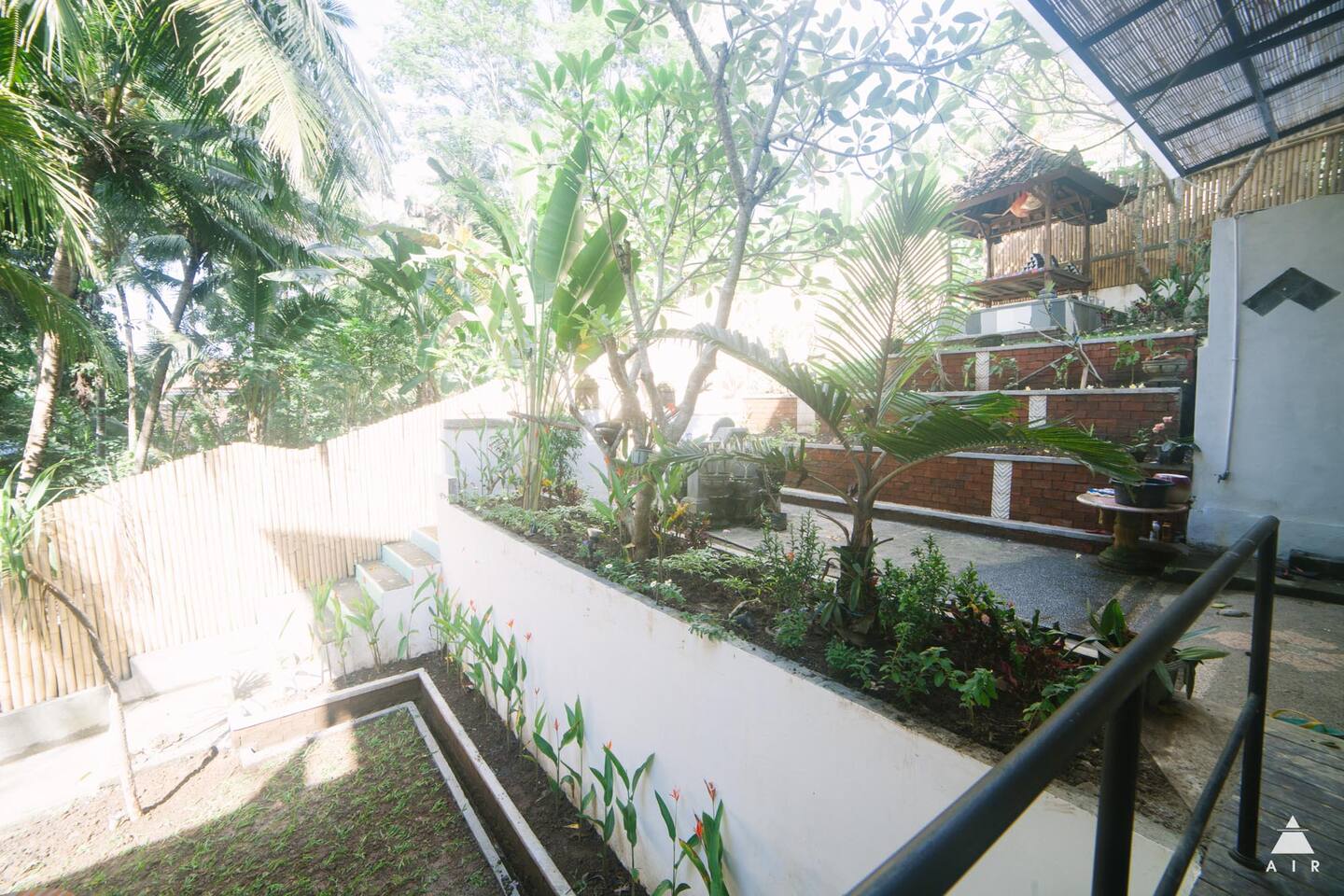
Here's what a real morning looks like: You wake at 5:30 or 6 because the heat woke you. You get water. You sit outside if there's a breeze, or you sit by the fan if there isn't. For ten minutes, you don't look at your phone. You're not meditating—you're just being awake. This counts as your centering practice. It's free and it's real.
You shower because you feel like it. It's cool and fast and you feel human after.
You make coffee. Black, or however you drink it. You take it to your desk or to the porch or to the kitchen if someone else is awake and you feel like company. It's now six-thirty or seven.
You work for as long as the cool part of the morning lasts. Bali's sweet spot is 6:30 a.m. to about 11 a.m., depending on the day. After 11, the heat becomes the dominant fact. Your brain still works, but it works differently—slower, more intuitive, less precise. Some people love this. Some people need the precision, so they stop.
By 11:30, it's time to move. Walk. Swim. Sit by the pool and read. Eat. Do something that isn't sitting in a room with your work. This isn't procrastination if you built your morning long enough to get real work done. This is adaptation.
The heat of midday—12 to 3 p.m.—is when other things happen. You'll see that someone left fresh papaya in the kitchen. You'll notice that another person is also swimming at two in the afternoon. You might eat late lunch or early dinner. You might nap, which you'd never do at home and which feels decadent and necessary here. Do it.
The late afternoon—4 to 6 p.m.—is sometimes a second work window. Not always. Some days the heat has stolen your precision and you read instead. Some days you do admin or planning instead of creation. This is okay. You got your deep work in the morning. Afternoons are for tending the day.
By 6 p.m., the light is changing. The roosters finally shut up. The breeze picks up. This is the golden hour, and it's not for work. It's for existing in Bali without the weight of the heat making your brain slow. Dinner. A walk. The pool again. A conversation with someone who was also working all morning and is now ready to be awake with other people.
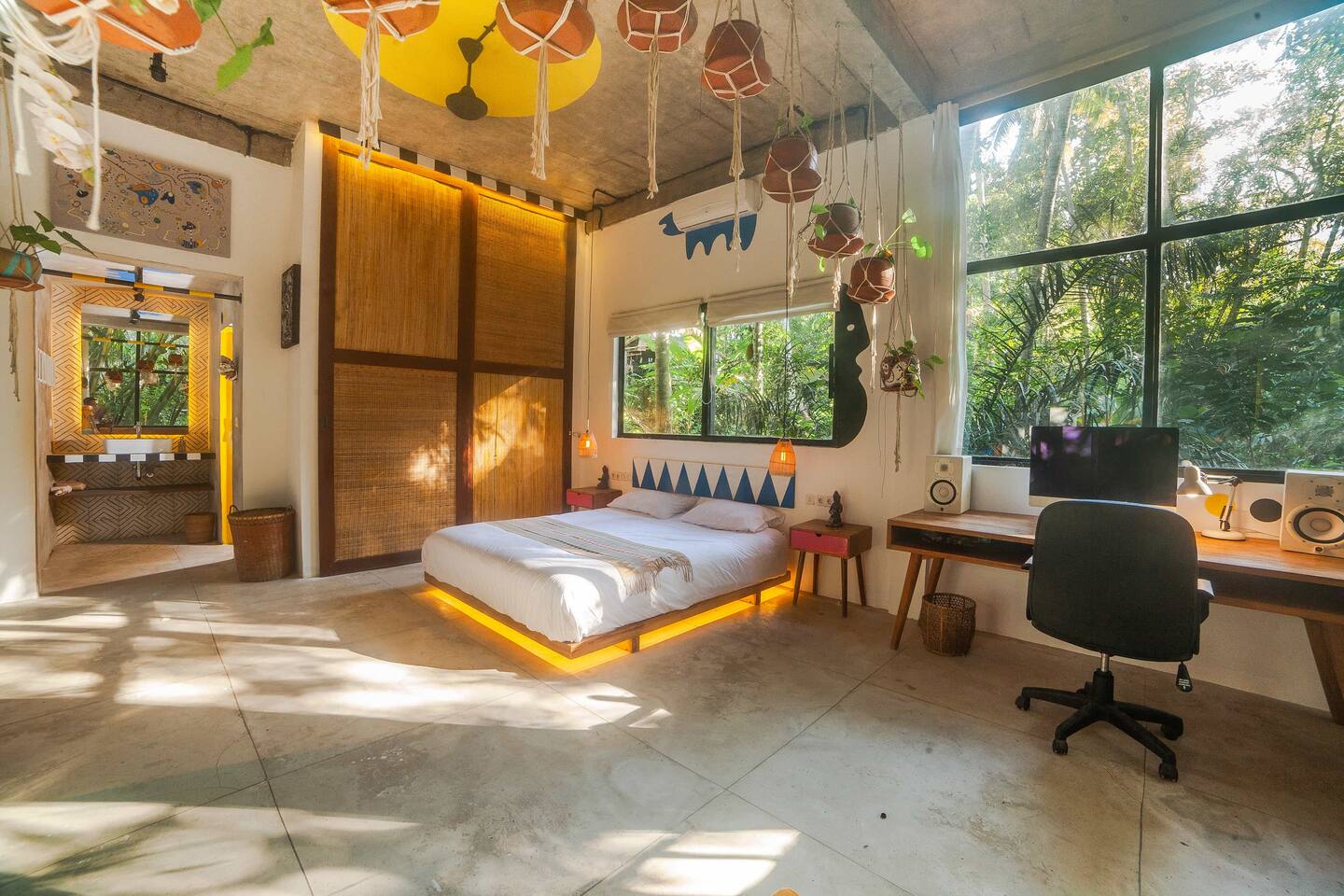
By 8 p.m., you're tired. The day was real. You made something in the morning. You adapted in the afternoon. You exist in the evening. By 9 p.m., you're in bed, or you're close, because tomorrow the roosters will wake you at 5 a.m. and the whole thing starts again.
The real secret isn't having the perfect routine. It's having a routine flexible enough to survive the place you're in. The cold shower becomes a pleasure, not a practice. The early morning becomes a gift, not a discipline. Coffee is non-negotiable. Work happens when it's cool enough to think. Everything else—the swimming, the reading, the accidental conversations, the long naps—isn't breaking your routine. It's the routine adjusting to reality.
By the end of two weeks, this won't feel like compromise. It will feel like the only way to live. By the end of a month, you won't remember how you ever worked in a climate where the morning doesn't feel like a miracle.
The roosters will still wake you at 5 a.m. You'll still be grateful.