PRACTICAL
Going Alone to Make Work
You're going to spend three weeks or three months in Bali alone. Maybe that's thrilling. Maybe it sounds lonely, and you're already building an exit plan in your head. Maybe both at the same time.
This isn't a backpacking trip where the randomness of hostels does the work for you. You're renting a room—a good one, probably—to actually make something. A solo creative trip means showing up to yourself. It means the work you came to do is the thing you have to do, not the thing that happens between social events.
That's the hard part. And it's also the only part that matters.
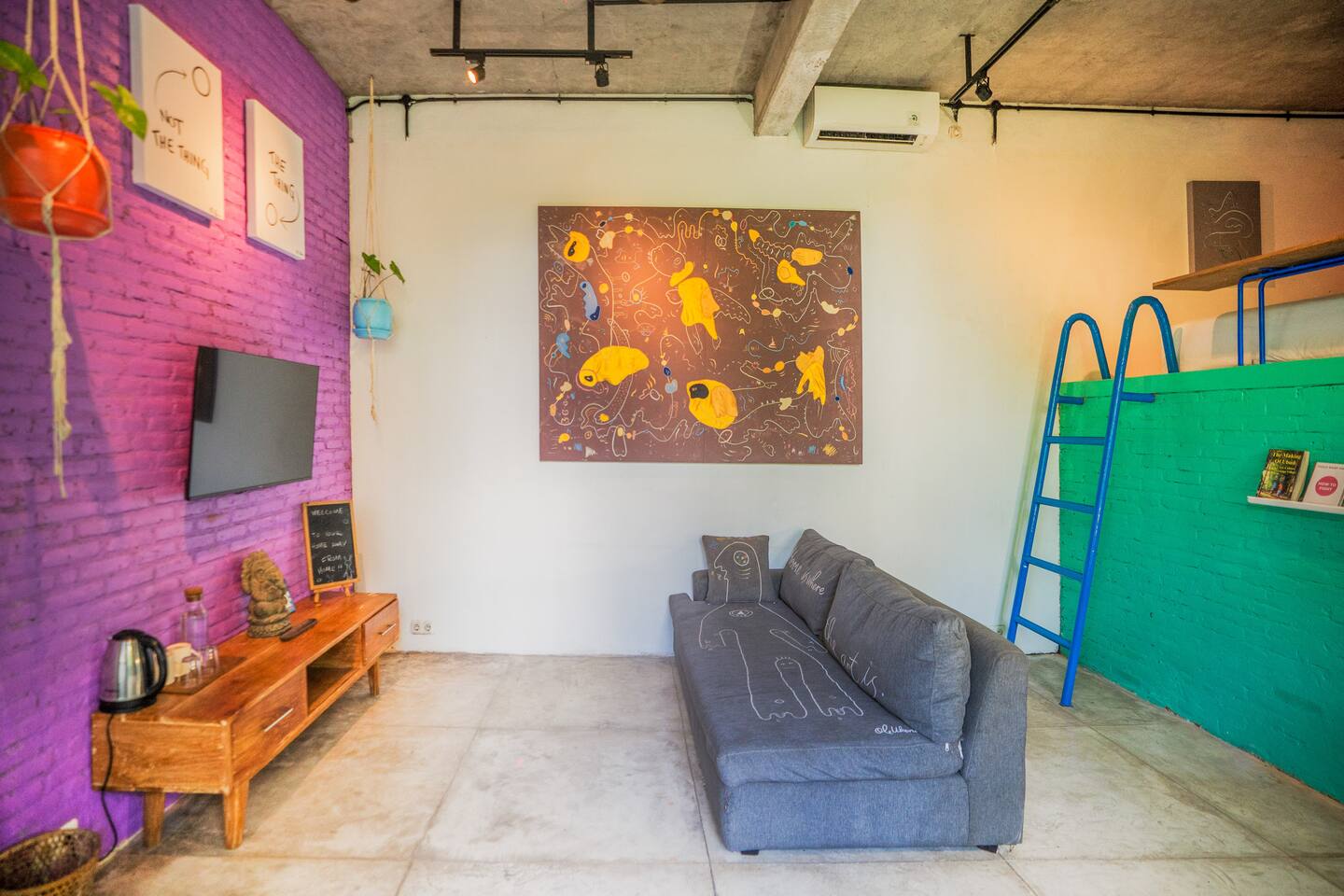
The first few days are weird. You settle in, you find the coffee place, you test the WiFi. The room is beautiful. The light hits the desk at 7 a.m. in exactly the way you needed. And then around day four, when the travel novelty wears off and you're sitting alone in the room looking at your work, something shifts.
There's no one to have breakfast with. No colleague dropping by. No reason to leave except for food. The thing you came here to do becomes very real and very yours.
This is where most people panic a little. That's normal. Solitude is quieter than you remember.
The mechanics help. A real schedule—not rigid, just a rhythm—turns the day into a container. Breakfast at seven. Desk by eight. Work until noon. Walk, coffee, lunch. Back at four. Done by seven. The routine isn't thrilling, but it's not supposed to be. It's supposed to hold you up so you can do the thing.
Bali's heat works with you here, strangely. The mornings are a gift—cool, clear, the roosters loud enough to keep you awake. By 11 a.m., the temperature is a reason to move. You go to lunch, you swim, you sit under a fan. The day's structure isn't something you have to manufacture; it's built into the climate. You work when it's possible to work. You rest when it's too hot to think. This isn't laziness. It's physics.
The second thing that helps is admitting that you'll get lonely. You will, probably. That's not a sign that you did something wrong. It's a sign that you're human and you've removed the usual noise that masks loneliness everywhere else. In a city, you're surrounded by people and alone. Here, you're just alone. The difference is you can see it.
This is where the residency piece matters, if you've chosen it right. You're not staying in a resort where the only other guests are honeymooners. You're in a place where other people came to make things. The shared kitchen at night. The person working on a photography edit in the next room. The writer who's also struggling with a scene and will tell you how she got unstuck over dinner.
It's not a built-in community that does the thinking for you. It's something subtler: proximity to people who chose this kind of work and this kind of time the same way you did. Some of your best conversations will happen by accident. Some of them will happen because you both needed to eat at six and the kitchen was empty.
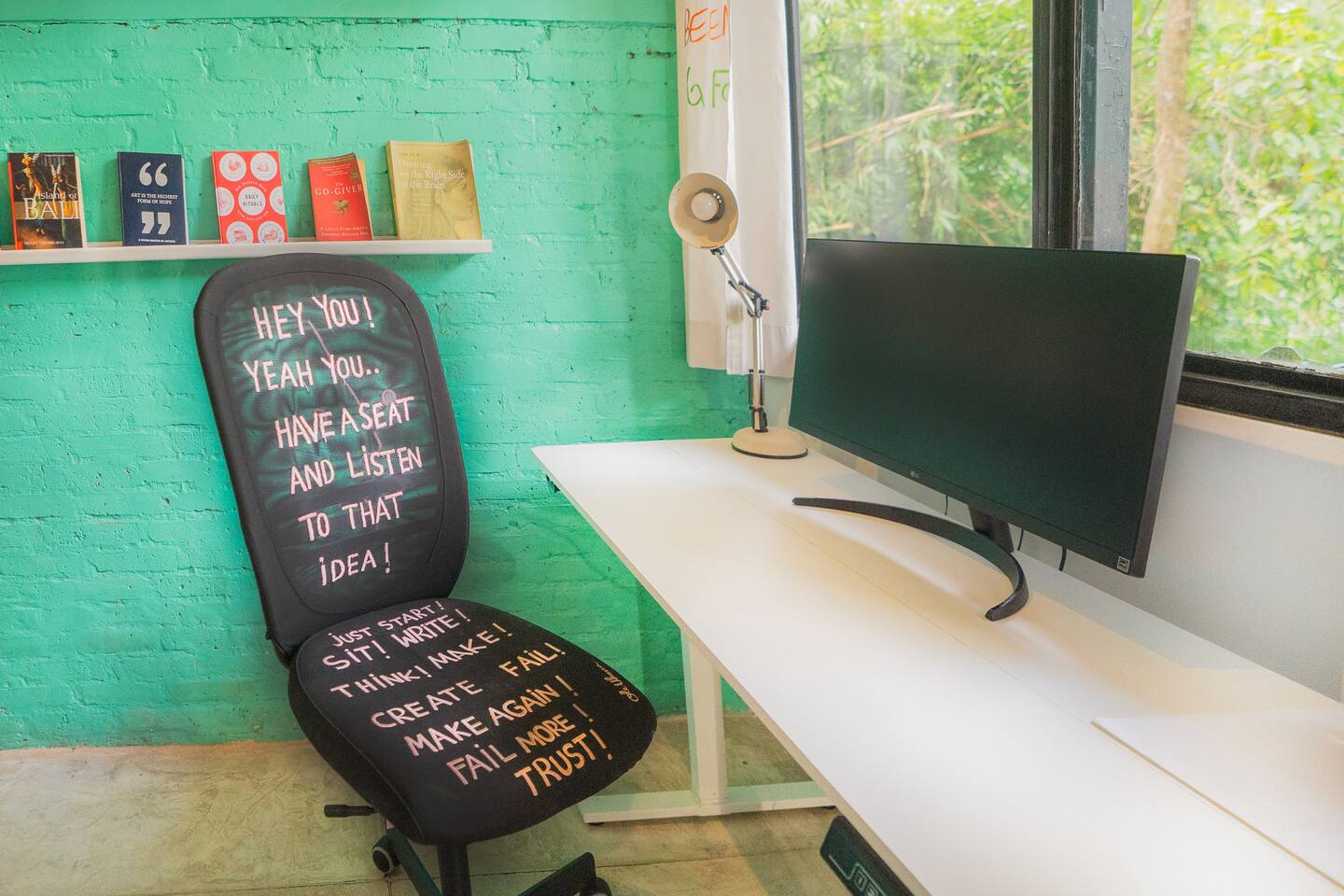
The key is that the community is optional. You can eat alone in your room. You can skip the communal dinner and work late. You can spend days barely talking to anyone. But the option is there if the loneliness gets too loud, and it doesn't require planning or performance. It's just there.
By week two, if you've stuck it out, something has changed. You've stopped waiting for the trip to feel like something and started making your work feel like something. The room isn't novel anymore—it's just the place where you work. The heat is just the weather. The solitude is just the environment you chose to do your thinking in.
The real fear about a solo creative trip isn't the solitude. It's the accountability. When you're alone, there's nothing between you and the fact that you came here to make something and that work is either happening or it's not. You can't blame the office, the commute, the group chat, or bad timing. It's you and the work.
That's worth being scared of. And it's also exactly why you came.
By the time you leave, you won't be the same person who arrived. Not because Bali changed you—it's just a place, after all. You'll be different because you spent weeks alone with your work and yourself, and that's a kind of honesty that doesn't usually happen. The work you make here might not be finished or perfect. But it will be yours in a way that matters.
The solitude didn't kill you. The community didn't distract you. The heat, the roosters, the pool, the other makers in the building—it all just held the space while you did the real work. That's the whole thing. That's why you came.